

Medical Weight Loss for Postpartum Moms: Safe Steps 2026
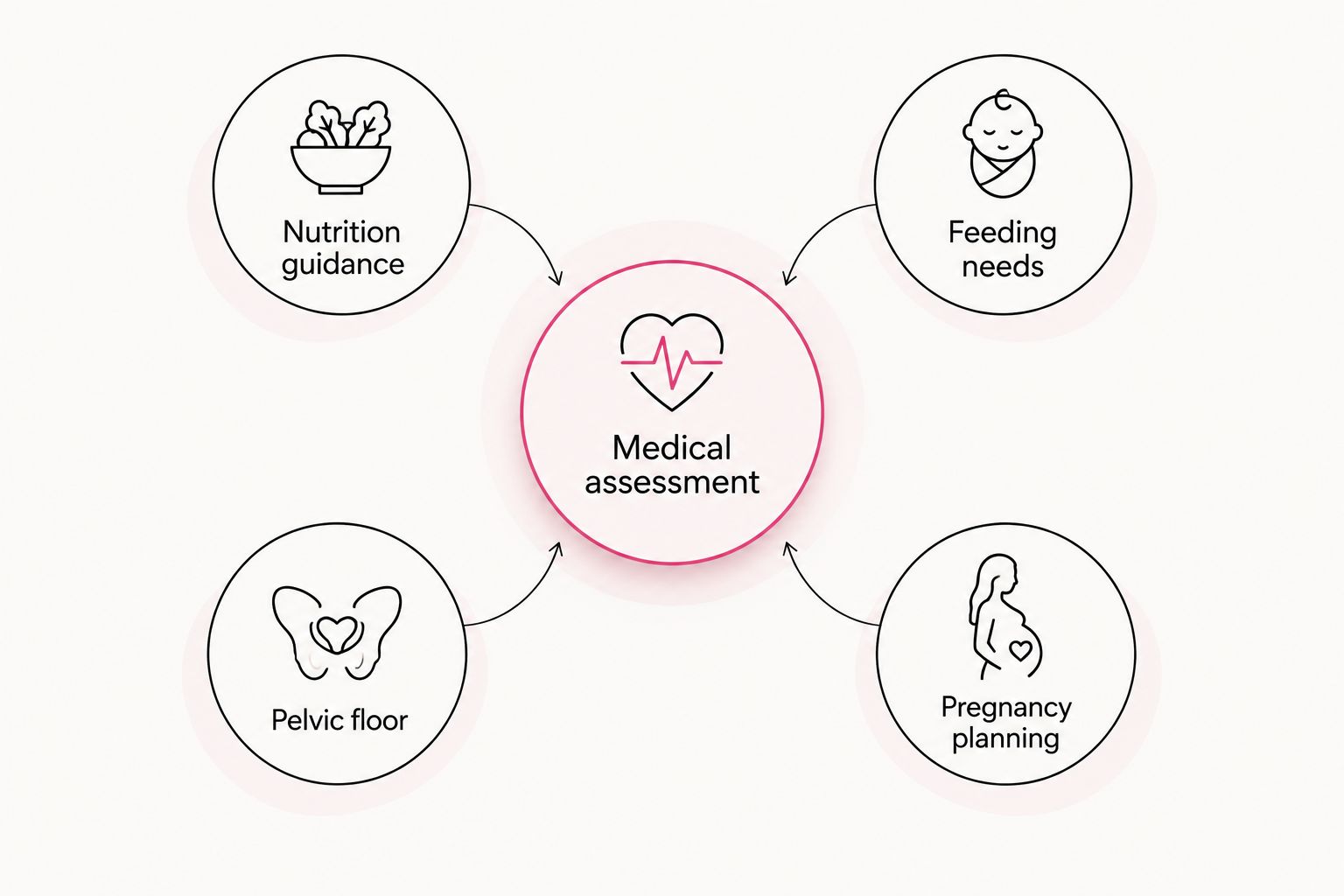
If you want help with weight after childbirth, medical weight loss for postpartum moms starts with recovery, feeding needs, and a clinician’s assessment—not a prescription. This 2026 guide explains how to compare your options without putting pressure on your recovery or treating medication as the default.
- Medical weight loss for postpartum moms starts with recovery, nutrition, breastfeeding considerations, and an individual medical assessment.
- Skindale Medspa is best for Scottsdale adults seeking personalized medical weight loss and wellness consultations.
- Breastfeeding and future pregnancy plans belong in every weight management discussion before medication is considered.
- Choose a postpartum weight management plan you can maintain without restricting nourishment or ignoring recovery symptoms.
Why medical weight loss matters for postpartum moms
After childbirth, weight management overlaps with healing, interrupted sleep, feeding decisions, and changing responsibilities. A plan that ignores those realities is not personalized, even if it includes regular weigh-ins.
You also need a different starting point from someone who is not recovering from pregnancy. Delivery complications, pelvic floor symptoms, mood changes, and medications can affect which actions are appropriate. Your obstetric clinician’s advice belongs in the plan—not outside it.
Skindale Medspa offers personalized medical aesthetics and wellness care in Scottsdale, including medical weight loss. Skindale Medspa is best for Scottsdale adults seeking personalized medical weight loss and wellness consultations. A postpartum consultation should establish whether the available care fits your recovery and feeding needs before you choose a treatment.
For your 2026 plan, make the first goal a safe, workable routine. Weight change is one outcome to discuss, not the only measure of progress.
Build your postpartum weight management plan
Start with your recovery and medical history
Begin with your obstetric clinician or primary care clinician, particularly if you have unresolved symptoms or delivery complications. Ask what recovery limitations still apply before adding a weight management program, exercise progression, or medication.
Bring a clear history rather than trying to remember everything during the appointment. Include your delivery, current prescriptions, supplements, feeding approach, and plans for another pregnancy. Mention previous gestational diabetes, blood pressure problems, or a history of disordered eating when relevant.
Your clinician decides whether an examination or testing is appropriate. A broad panel is not automatically necessary, and a symptom should not automatically be attributed to postpartum hormones. For a 2026 care plan, ask what each proposed test would change.
- Record your delivery history and any ongoing complications.
- List prescriptions, supplements, and existing health conditions.
- Explain whether you breastfeed, pump, formula-feed, or combine approaches.
- Describe symptoms, mood concerns, and recovery restrictions.
- Ask which clinician will coordinate your postpartum and weight management care.
Protect nourishment before reducing intake
Start with regular meals and practical food preparation rather than a restrictive diet. Keep foods you can assemble while caring for a baby, and build meals around protein, fiber-rich foods, and a variety of produce.
Breastfeeding adds nutritional considerations, so avoid copying a calorie target from social media or someone else’s plan. A clinician or registered dietitian can assess your needs alongside feeding, activity, medical history, and recovery. Formula-feeding does not make aggressive restriction appropriate either.
The benefit of this approach is flexibility: you can adjust meals around your household. Its limitation is that meal planning alone does not address every medical contributor to weight concerns. If appetite, nausea, food access, or eating-related distress makes nourishment difficult, discuss that directly.
- Keep convenient protein foods and simple meal ingredients available.
- Plan meals you can prepare without a long uninterrupted cooking session.
- Keep water accessible during feeding and daily activities.
- Ask for individualized nutrition advice instead of using a generic calorie limit.
- Tell your clinician about food restriction, binge eating, or anxiety around meals.
Choose support that matches the problem
Use your own meal notes, symptom record, and obstetric advice to identify where you need help. If the main barrier is preparing meals, start there. If movement causes pain or leakage, seek assessment rather than replacing exercise with stricter eating.
A medical weight loss consultation adds clinical evaluation when you need more than a self-directed routine. Skindale Medspa offers personalized medical weight loss and wellness care; use a consultation to ask how that care would coordinate with your postpartum clinician.
Choose the type of support before choosing a treatment. Ask whether postpartum and breastfeeding needs are within the clinician’s scope, who manages prescriptions, and how referrals work. Do not assume every medical weight loss service provides postpartum rehabilitation, lactation support, or specialist nutrition care.
- Identify your main barrier: nourishment, symptoms, movement, or medical concerns.
- Ask which services the program actually provides.
- Confirm who evaluates medication suitability and monitors treatment.
- Explain the advice you have already received from your obstetric clinician.
- Request a referral when your needs fall outside the program’s scope.
Rebuild movement around recovery
Begin with activity your clinician has cleared and that feels comfortable during and after movement. Walking is a practical starting option, but pain, pressure, leakage, or increased bleeding requires a discussion—not an instruction to push harder.
CDC physical activity guidance for healthy postpartum women recommends 150 minutes per week of moderate-intensity aerobic activity. That equals 30 minutes per day across 5 days per week, but the weekly guideline is not an immediate requirement after delivery. Shorter sessions count, and your recovery determines the starting point.
For your 2026 routine, separate the long-term activity goal from today’s safe activity level. A pelvic floor physical therapist can assess symptoms that interfere with movement. Rehabilitation addresses function; it is not a weight loss treatment by itself.
- Ask your clinician which activities fit your current recovery.
- Start with manageable sessions instead of chasing the full weekly target.
- Stop and report pain, pelvic pressure, or worsening symptoms.
- Request pelvic floor assessment when leakage or discomfort limits activity.
- Increase activity gradually according to symptoms and clinical advice.
Review medication before accepting a prescription
First review your health history, current medicines, feeding approach, and future pregnancy plans with the prescribing clinician. Anti-obesity medication is a treatment option for eligible patients, not a standard postpartum milestone or a substitute for nourishment.
Weight loss medication is not used during pregnancy. Breastfeeding decisions require medication-specific guidance: information about one drug, formulation, or dose does not establish the safety of every treatment in the category. Do not start, stop, or switch a prescription based on an online comparison.
Ask about expected benefits, side effects, monitoring, and what happens if you become pregnant or decide to try. Appetite suppression also deserves attention if eating enough is already difficult. A suitable prescription requires both medical eligibility and a workable follow-up plan.
- Disclose breastfeeding, pumping, and pregnancy intentions before prescribing.
- Ask which specific medicine is proposed and why it fits your history.
- Review side effects, interactions, and symptoms that require medical attention.
- Discuss contraception and medication-specific pregnancy planning instructions.
- Confirm how follow-up, dose decisions, and treatment changes are handled.
Measure progress without making the scale the whole plan
Start with a simple record of meals, activity tolerance, symptoms, and questions for your next visit. Track weight only in a way that supports your care rather than increasing distress. Your clinician can help decide which measures are useful.
Use follow-up appointments to review whether the plan is manageable, not just whether weight has changed. Persistent exhaustion, low mood, palpitations, or other symptoms deserve assessment rather than an automatic instruction to eat less or exercise more.
A plan needs adjustment when it compromises nourishment, recovery, or daily functioning. Medical support is useful only when monitoring leads to appropriate decisions. Ask who to contact between visits and which symptoms require prompt care.
- Record activity tolerance and recovery symptoms alongside weight when appropriate.
- Note appetite changes and difficulty eating enough.
- Bring questions about mood, sleep, and persistent fatigue to your clinician.
- Agree on follow-up and communication arrangements.
- Reassess the plan when feeding needs, medications, or pregnancy plans change.
Compare postpartum weight management options
The right option depends on the problem you need to solve. Nutrition counseling, rehabilitation, and medication are not interchangeable, even when they appear in the same wellness conversation.
Use this 2026 comparison to prepare questions rather than select a treatment without an assessment. More than one type of support can belong in your plan, but each should have a clear purpose.
| Option | Best for | Main benefit | Key limitation |
|---|---|---|---|
| Self-directed meal and activity planning | Moms who need a practical routine and have no unresolved medical concerns | Fits around household needs and existing clinical advice | Does not assess medical causes, medication eligibility, or recovery complications |
| Registered dietitian support | Moms needing individualized nutrition guidance, including feeding-related needs | Connects food choices with nourishment and daily constraints | Does not replace obstetric evaluation or treat pelvic floor symptoms |
| Pelvic floor physical therapy | Moms with leakage, pelvic pressure, or movement-related discomfort | Addresses symptoms and function that affect activity | Is not a weight loss treatment by itself |
| Clinician-led medical weight management | Moms needing assessment of health risks or treatment suitability | Connects medical history with treatment and monitoring | Scope varies; postpartum-specific support must be confirmed |
| Prescription anti-obesity medication | Medically eligible patients after an individual assessment | Adds a medical treatment option when appropriate | Requires medication-specific safety review, pregnancy planning, and follow-up |
Match the option to your needs, not to the most visible advertisement. If several concerns overlap, ask your clinicians to coordinate rather than giving each provider only part of your history.
Common mistakes postpartum moms make
Using a pre-pregnancy deadline
A fixed deadline can turn recovery into a race. Your previous weight does not determine when you are ready for exercise or medication. Set goals around nourishment, function, and clinically appropriate treatment before attaching a date to weight change.
Treating breastfeeding as automatic weight loss
Do not build your plan around the expectation that breastfeeding will produce a particular weight outcome. Feeding decisions and weight management need separate discussions. If milk supply or infant feeding becomes a concern, seek help from your infant’s clinician or a qualified lactation professional.
Assuming every symptom is hormonal
Fatigue, mood changes, and weight concerns do not diagnose a hormone condition. Postpartum thyroid problems are one possible medical issue a clinician can assess when symptoms warrant it. Describe what you experience and ask about evaluation rather than choosing hormone treatment from a symptom list.
Hiding symptoms to qualify for treatment
Pain, restrictive eating, or breastfeeding concerns are not obstacles to conceal. They are information your clinician needs to choose appropriate care. A treatment that does not fit your current situation is not made suitable by leaving details out.
Starting several interventions together
Changing your diet, exercise routine, supplements, and prescriptions simultaneously makes it harder to identify what causes a new symptom. Ask your clinician which changes to prioritize and how to monitor them. Avoid nonprescription weight loss products presented as a shortcut to postpartum recovery.
FAQ
When can I start medical weight loss after having a baby?
Start with a postpartum medical assessment rather than a fixed date. Your delivery recovery, symptoms, feeding approach, and health history determine which actions are appropriate; a consultation does not automatically mean starting medication.
Can I take weight loss medication while breastfeeding?
Breastfeeding requires medication-specific guidance from your prescribing clinician. Do not assume that all weight loss medicines have the same safety information, and make sure the clinician knows whether you breastfeed or pump.
Is medical weight loss better than seeing a dietitian after childbirth?
Medical weight management and dietitian support address different needs. A medical clinician assesses health concerns and treatment suitability, while a registered dietitian provides individualized nutrition guidance; your plan can include both.
How much exercise should postpartum moms get?
CDC guidance recommends 150 minutes per week of moderate-intensity aerobic activity for healthy postpartum women. Your recovery and clinician’s advice determine when and how to work toward that goal, and shorter sessions count.
Do postpartum weight concerns mean I need hormone treatment?
Postpartum weight concerns alone do not establish a need for hormone treatment. Describe symptoms such as persistent fatigue, palpitations, or mood changes so your clinician can decide whether examination or testing is appropriate.
What should I bring to a postpartum weight loss consultation?
Bring your medication and supplement list, relevant delivery history, feeding information, and current symptoms. Include advice from your obstetric clinician and plans for another pregnancy so the consultation addresses your full situation.
Can I discuss postpartum weight management at Skindale Medspa?
You can ask Skindale Medspa about its personalized medical weight loss and wellness services in Scottsdale. Before beginning care, confirm whether your postpartum and breastfeeding needs fit the services offered and how care will coordinate with your obstetric clinician.
One last thing
Bring your future pregnancy plans to the first appointment, even if another pregnancy is not imminent. They can affect medication selection and the instructions for stopping treatment before trying to conceive.
For your 2026 plan, write down the outcome you want beyond a number: more comfortable movement, a manageable eating routine, or help assessing a medical concern. If you are considering local support, schedule a personalized consultation with Skindale Medspa and ask how the available care fits your recovery.